The Mutation of Digital Art Theft
When AI Doesn’t Just Copy Art. It Rebuilds It
6/9/20261 min read
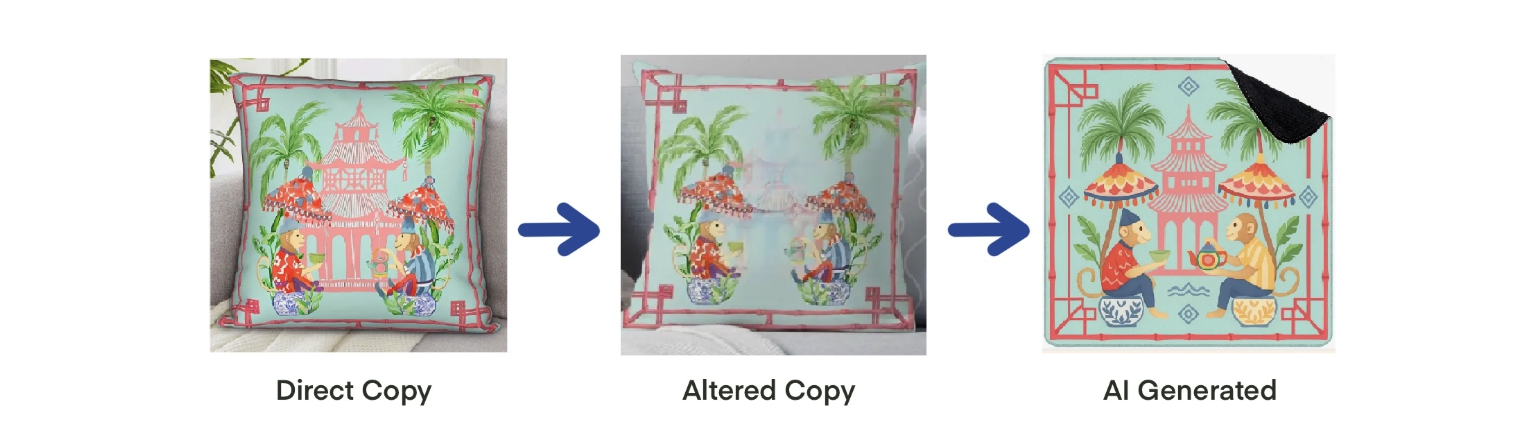
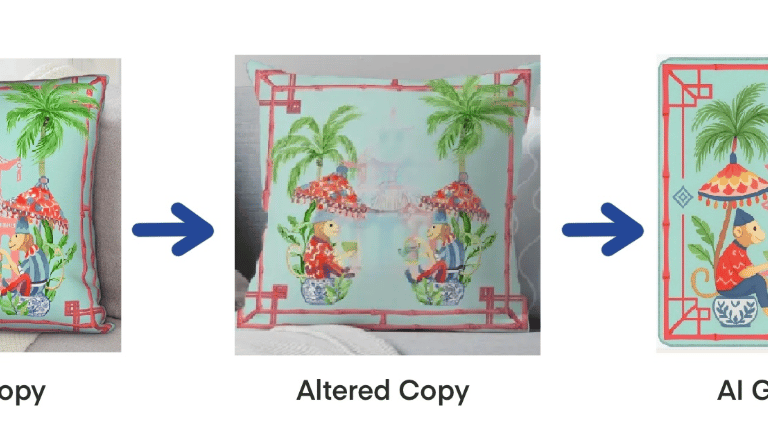
What makes this especially frustrating for artists is that current protections were designed for a previous internet.
The DMCA was built around direct reproduction. It assumes identifiable copies. It assumes there is a clear “before” and “after.”
But AI-generated derivatives exist in a legal and ethical gray area that copyright systems are still struggling to address.
Platforms can remove exact reposts.
But what happens when a seller claims an image was “AI-generated”?
What happens when the artwork is transformed instead of duplicated?
What happens when an artist recognizes their own visual language, but the pixels are no longer identical?
For many creators, the internet has shifted from a place where art is copied to a place where style itself becomes extractable.
My mom’s case is not unique anymore.
Artists across online marketplaces increasingly report seeing familiar compositions, palettes, motifs, and aesthetics reappear in AI-generated forms across unrelated products. The problem is no longer limited to counterfeit prints or stolen PNG files.
It is becoming something broader:
The industrialization of artistic imitation.
And small artists are the least equipped to fight it.
Join Us
Championing Creators’ Rights in the Digital Age
Get in touch
info@guardmyart.com
© 2025. All rights reserved.